News
SpaceX aces 60th orbital launch of 2022

SpaceX has completed its 60th orbital launch of 2022, marking the first time the company has fully hit a public cadence target set by one of its executives.
By every possible measure, 2022 has been a groundbreaking year for SpaceX even when considering the vast list of achievements it’s racked up over the last half-decade. It owns and operates the largest satellite constellation in history by an order of magnitude. Its Starlink satellite internet service has secured more than a million subscribers less than two years after entering beta. It operates the only routinely reusable orbital-class rockets and orbital spacecraft currently in service. Its Falcon 9 workhorse has launched more in one year than any other single rocket in history. It’s regularly launching at a pace that hasn’t been sustained by any one country – let alone a single company – in 40 years. It’s managing that near-historic cadence while simultaneously recovering and reusing boosters and fairings that represent some 70% of the value of almost every rocket it launches.
And now, SpaceX can also proudly show that it was able to hit a launch cadence target that seemed impossibly ambitious when CEO Elon Musk first shared it nine months ago.
The update that's rolling out to the fleet makes full use of the front and rear steering travel to minimize turning circle. In this case a reduction of 1.6 feet just over the air— Wes (@wmorrill3) April 16, 2024
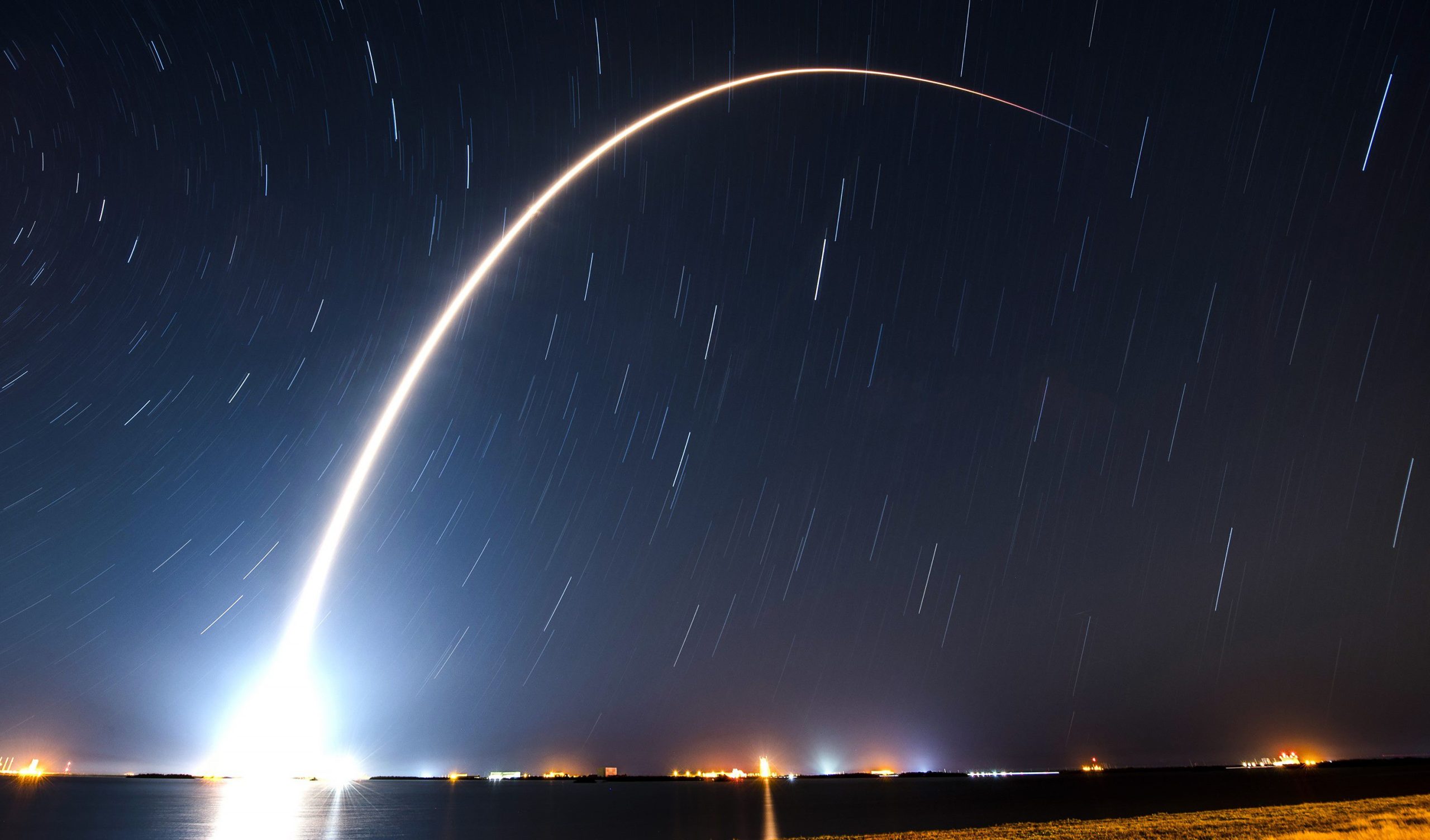
Exactly nine months later, SpaceX has just completed its 60th launch of 2022. 69 days after its last orbital-class launch, Falcon 9 booster lifted off for the 11th time with a somewhat mysterious batch of 54 Starlink satellites. A bit less than nine minutes after liftoff, B1062 touched down 660 kilometers (410 mi) downrange on SpaceX drone ship A Shortfall Of Gravitas (ASOG). Seconds prior, Falcon 9’s expendable upper stage reached orbit, shut down its lone Merlin Vacuum engine, and began slowly spinning itself end over end.
Nineteen minutes after leaving the ground, the stack of 54 Starlink satellites was released all at once, slowly spreading out like a splayed deck of cards. Over the coming hours, days, and weeks, those satellites will naturally spread out, deploy solar arrays, stabilize their attitudes, test their payloads, and begin climbing toward an operational orbit somewhere between 480 and 580 kilometers (300-360 mi) above Earth’s surface.
As previously discussed, SpaceX’s so-called “Starlink 5-1” mission raises a number of questions that the company’s launch webcast and communications unfortunately failed to answer. First and foremost, the “5-1” name is nonsensical. The only information SpaceX did disclose about the mission is that it’s the “first [launch] of Starlink’s upgraded network…under [a] new license,” implying – but not actually confirming – that “Starlink 5-1” is the first launch for the Starlink Gen2 constellation.
The orbit the launch targeted only matches one of the Gen2 ‘shells’ the US Federal Communications Commission (FCC) recently approved. Using a naming scheme that’s been consistent for a year and a half, “5-1” implies that the mission is the first launch of Starlink Gen1’s fifth ‘shell’ or group, which the orbit it was actually launched to explicitly makes impossible. It’s very odd that SpaceX did not explicitly call the mission what it actually is: the first launch of an entirely new Starlink Gen2 constellation. The name ultimately doesn’t matter much, but is now likely to create confusion given that SpaceX’s Starlink Gen1 constellation has a fifth shell that may begin launches in the near future.
Additionally, outside of a single obscure FCC filing submitted two months ago, it’s long been stated and implied that the Starlink Gen2 constellation’s main advantage over Gen1 was the much larger size of the Gen2/V2 satellites. But the satellites launched on “Starlink 5-1” appear to be virtually identical to all recent Starlink V1.5 satellites, which CEO Elon Musk once suggested were so cost-inefficient that they could risk bankrupting SpaceX in November 2021.
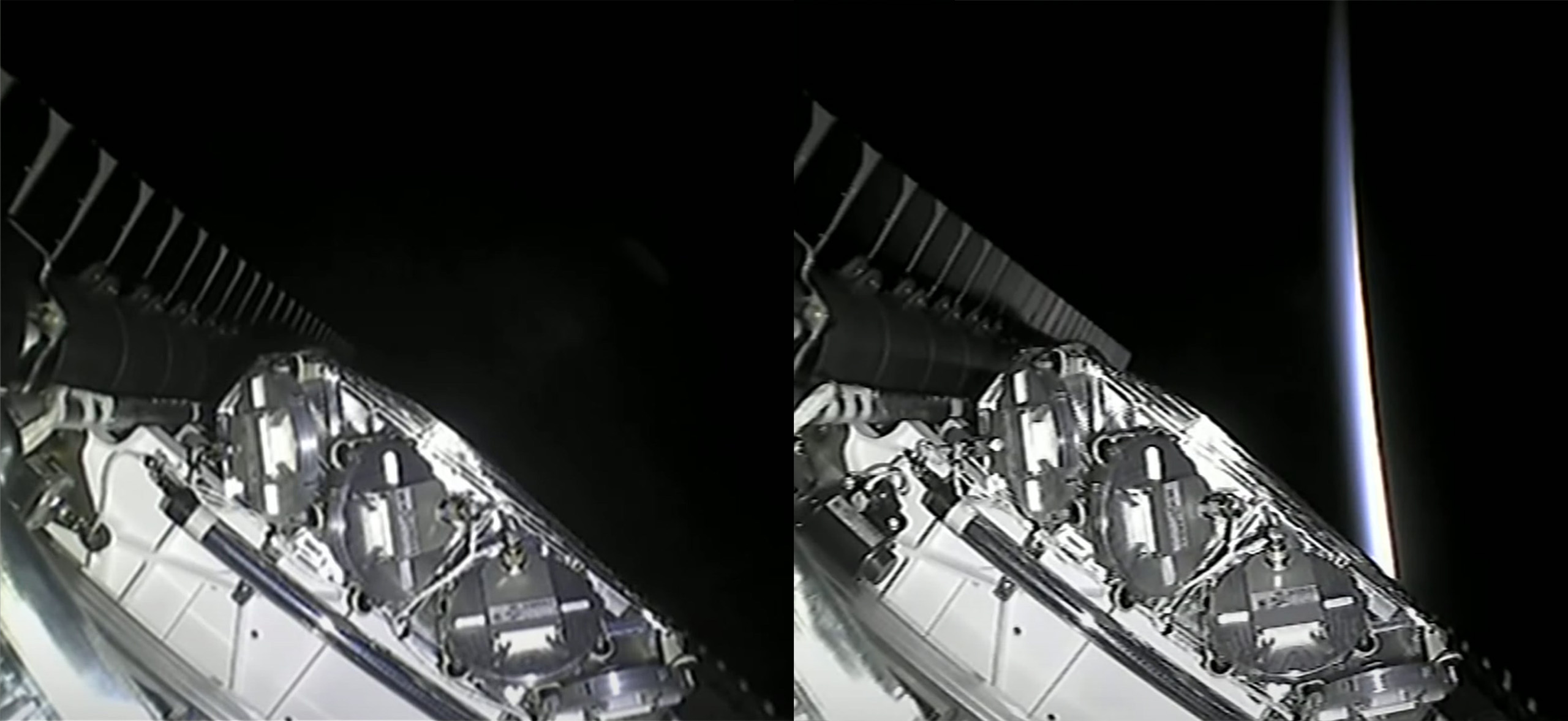
There is one obvious explanation for why SpaceX would launch ordinary Starlink V1.5 satellites in place of the larger V2 variants that will supposedly make the internet constellation more financially sustainable: a desire to add new customers as quickly as possible, no matter the relative cost. While a much smaller V1.5 satellite likely offers around 3-8 times less usable bandwidth than one of the larger V2 variants SpaceX is developing, it may still be true that a V1.5 satellite is better than nothing while larger V2 satellites are stuck behind development delays or waiting on SpaceX’s next-generation Starship rocket.
SpaceX will almost certainly want to replace any V1.5 satellites with V2 satellites when the opportunity arises, but in the meantime, V1.5 satellites launched as part of the Gen2 constellation may technically allow SpaceX to temporarily double the amount of bandwidth available where most people (and Starlink customers) live. Ultimately, that means that it makes a lot of sense for SpaceX to prioritize Gen2 launches. It doesn’t appear that SpaceX will go that far, but the Starlink Gen1 constellation is so far along that the company could easily leave the constellation as-is and prioritize Gen2 Falcon 9 launches for all of 2023 without risking an FCC penalty. SpaceX simply needs to finish its Gen1 constellation before April 2027 to avoid breaking those rules.
Instead, it looks like SpaceX will roughly split its launch and V1.5 satellite manufacturing capacity between Starlink Gen1 and Gen2 moving forward. That will let SpaceX significantly expand bandwidth where most customers live while also finishing the polar-orbiting Gen1 shells that will let the older constellation better serve maritime and aviation subscribers, and reach Starlink’s most remote customers.


News
SpaceX readies Starship Flight 14 for a historic journey into uncharted territory
SpaceX finished Starship’s Flight 14 rehearsal, clearing the way for its first orbital flight Monday.

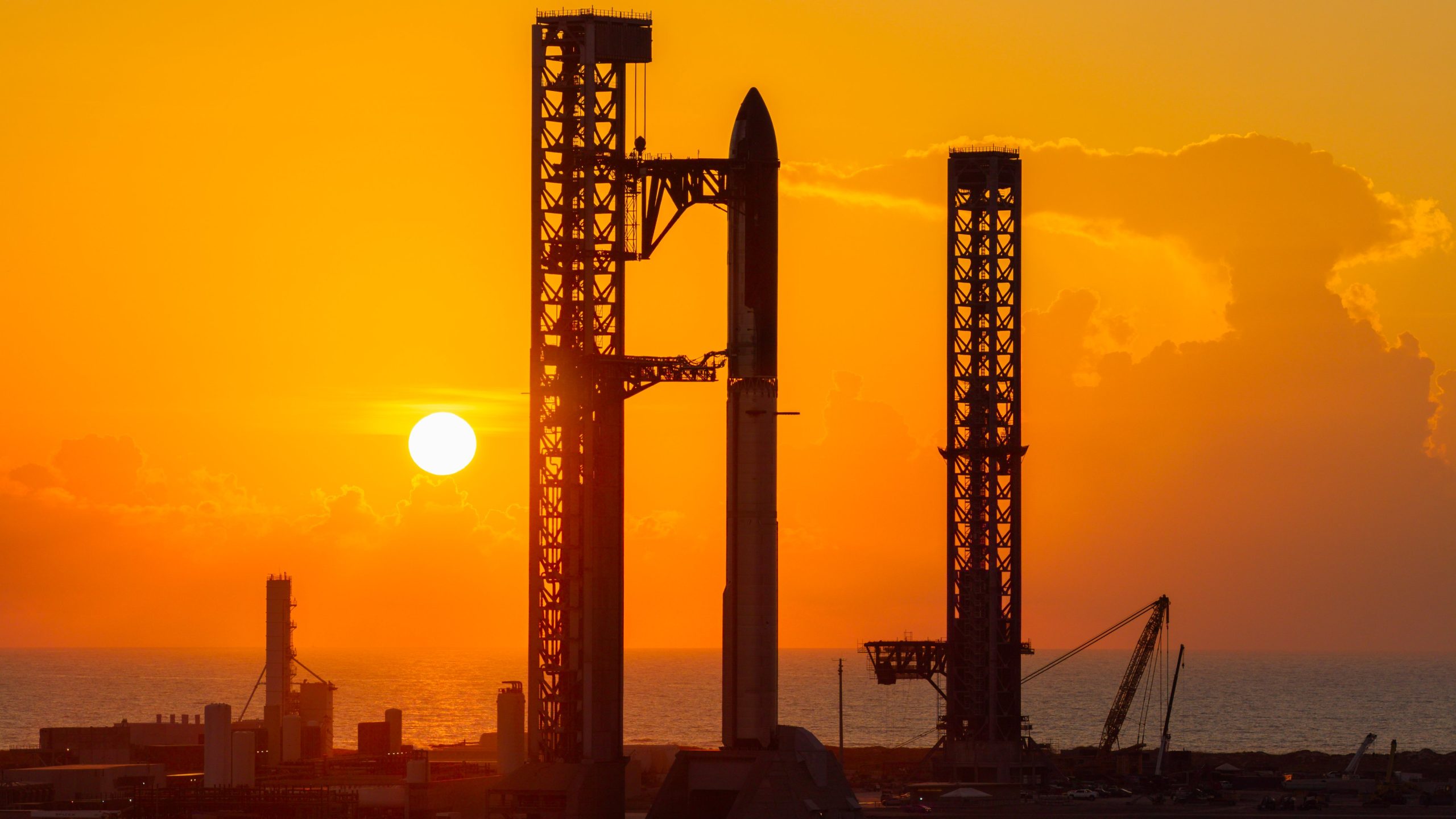
SpaceX has cleared one of the last hurdles before Starship’s first trip to orbit. The company posted on X Thursday afternoon that its launch rehearsal for Flight 14 was complete, keeping the mission on track for Monday, September 28. The launch window opens at 7:15 a.m. CT at Starbase, Texas, and runs for 75 minutes.
A wet dress rehearsal is essentially launch day without the launch. Crews fill Booster 21 and Ship 41 with thousands of tons of extremely cold propellant, run the countdown nearly to ignition, then drain everything back out. It lets engineers catch leaks or equipment problems before anything leaves the pad. SpaceX still needs a launch license from the FAA before the stack, which stands 407 feet tall, can fly.
Flight 14 matters because of where it is going. All 13 previous Starship flights followed a suborbital path, which works like throwing a ball extremely high and far: the vehicle reaches space, but it is always on a course that brings it back down within about an hour. This time, Ship 41 will perform a short engine firing called an orbital insertion burn roughly 25 minutes after liftoff, giving it enough speed to keep falling around Earth instead of back into it. SpaceX plans about six laps at an altitude near 275 kilometers (171 miles) over nearly 10 hours, as Teslarati detailed when the mission was first announced.
Launch rehearsal complete ahead of Starship Flight 14 pic.twitter.com/h5LBYyBqi4
— SpaceX (@SpaceX) September 24, 2026
Getting into orbit also means Starship has to prove it can get back out. The ship must relight a single Raptor engine in space to slow down for reentry. SpaceX says it will only attempt the orbital insertion burn after flight controllers confirm the hardware needed for that return burn has enough backup, and its flight plan includes health checks that could shorten the mission to two or five orbits.
Flight 14 is also the first to put working satellites into service. Flight 13 carried 20 Starlink V3 satellites in July, but they came back down with the ship because that mission never reached orbit. This time, 26 V3 satellites are meant to stay up and join the constellation within a few weeks. Together they add about 26 terabits per second of network capacity, which SpaceX says is roughly 10 times what a single Falcon 9 launch of older V2 Mini satellites adds. Three of them carry cameras that will photograph Starship’s heat shield in orbit to check for tile damage before reentry.
The hardware has changed too. Ship 41 flies with extra fasteners on tiles in the most vulnerable areas, fixes for gaps where superheated plasma slipped behind tiles, and curved tiles designed to reduce heating between them. Two tiles recovered from Ship 40 will fly again, the first reuse of any part of a Starship heat shield. Booster 21 carries better engine filtering and new relight software after ice clogged three center engines on the previous booster, leaving only eight of 13 engines to restart for its landing burn.
Ship 41 is targeting a splashdown in the Pacific Ocean west of Chile, a new recovery zone after several Indian Ocean landings, while Booster 21 aims for the Gulf. Neither will be caught by the tower on this flight. Elon Musk said in August that a ship catch was likely “in a few months.”
Elon Musk
Google just picked SpaceX for its first step into orbital AI
Google will launch its first Project Suncatcher AI satellite on SpaceX’s Transporter-18 rideshare next week.
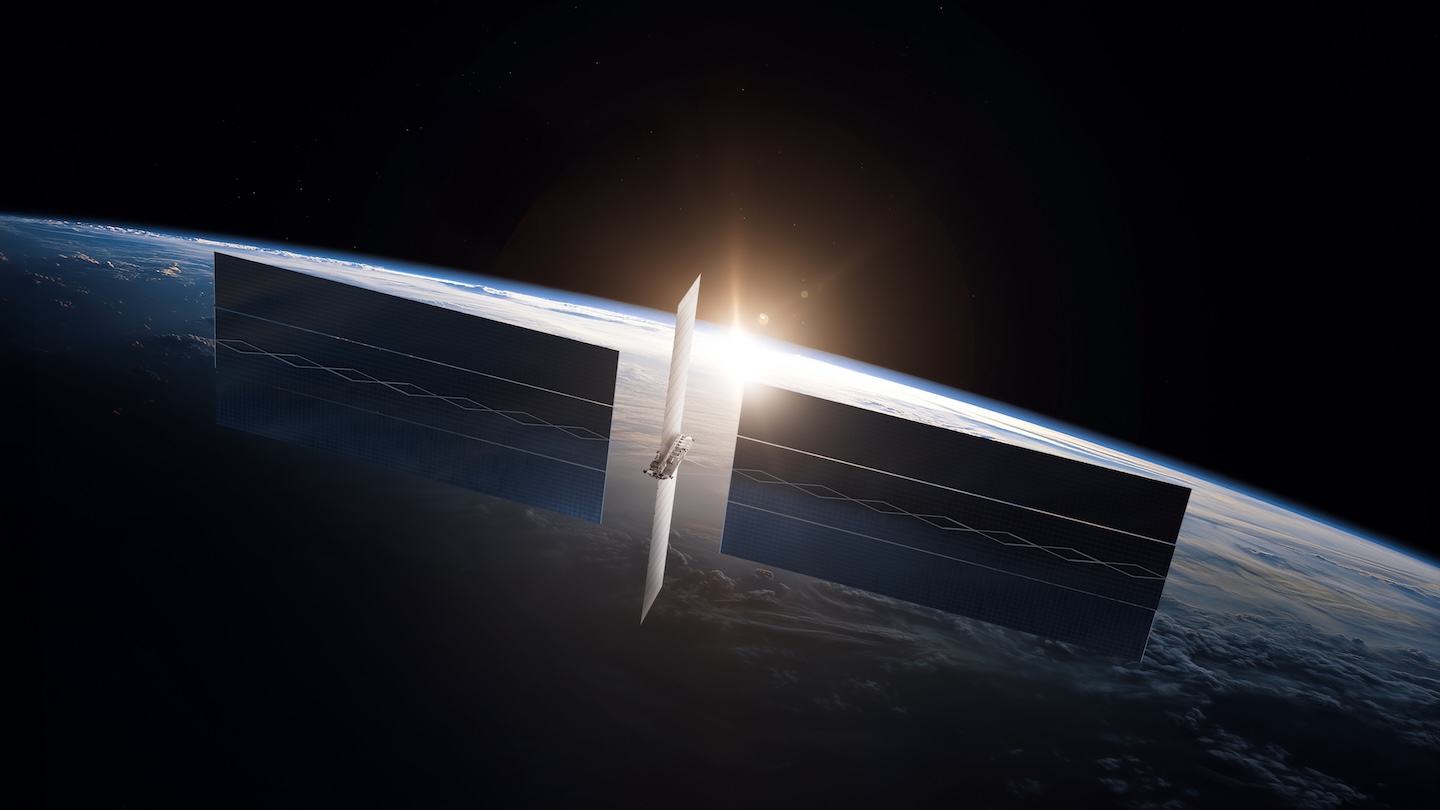
Google is about to put its own AI chips into orbit for the first time, and it is paying SpaceX to get them there.
The company said Thursday that the first in-orbit test of Project Suncatcher, its research effort to find out whether space can host large-scale AI computing, will fly next week on SpaceX’s Transporter-18 rideshare mission.
The satellite, called MVP, is about the size of a refrigerator and carries four of Google’s Tensor Processing Units, the same chips Google runs in its ground data centers. Google originally planned to launch two custom satellites in 2027, but chose to move faster by integrating its chips into a satellite.
MVP’s solar panels supply about one kilowatt of power, and Google will run Gemini models on the TPUs only in bursts of roughly 15 minutes before the chips shut down so the radiators can shed heat. In a blog post, Google said its Trillium TPUs survived vibration testing that mimicked sustained launch loads of up to 10g, with individual components seeing 50 to 100g, and handled a radiation dose greater than a five year mission would deliver.
SpaceX and Google mull massive partnership on Musk’s orbital data dream: report
Next week’s flight, slated for October 1, follows a relationship that became public in May, when Teslarati reported that Google was in talks with SpaceX for a launch deal tied to orbital data centers. Google also holds a stake of roughly 6% in SpaceX.
The two companies are chasing the same idea from very different starting points. SpaceX’s own orbital compute program is built around the AI1 satellite, a roughly 70 meter structure derived from Starlink V3 hardware that is designed for 150 kW of peak compute, about 150 times the power MVP will draw. Elon Musk has brushed off concerns about crowding orbit with those satellites, and SpaceX is building its Gigasat factory in Bastrop, Texas, to produce them, targeting an annualized rate of about 1 GW of space compute by the end of 2027.
Musk also posted on X on Thursday that “the amount of compute in space will obviously round up to 100% of all compute.”
Google has been more cautious in public. Its research estimates that launch prices need to fall below about $200 per kilogram before an orbital data center can compete with a ground facility on energy cost, a threshold the company believes could be reached around the mid 2030s. The Suncatcher team has said it expects the effort to remain a project rather than a product for years, which leaves the first real test of its hardware riding on a rocket from the company with the most aggressive timeline in the field.

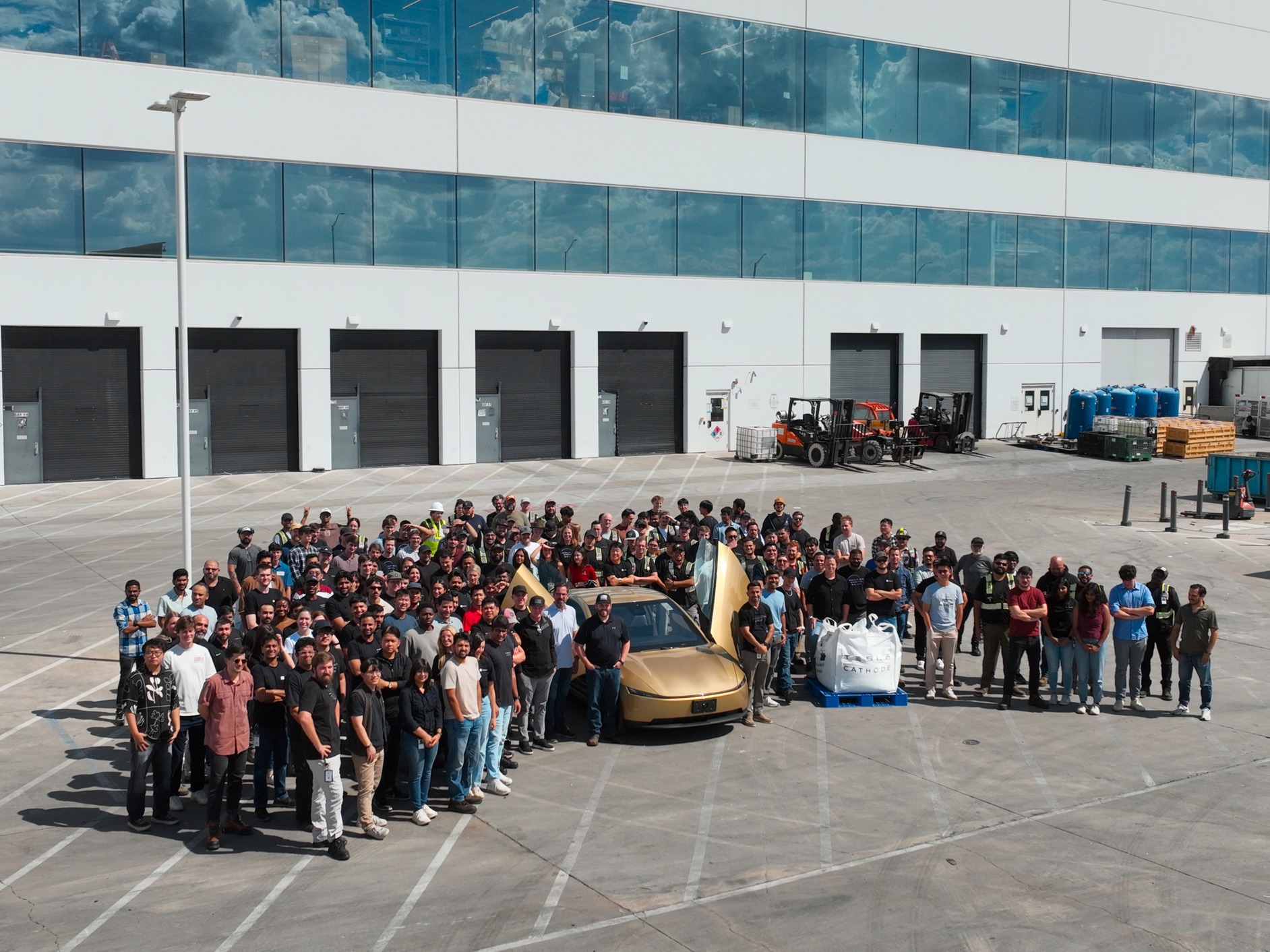
Tesla has taken another concrete step toward owning its battery supply chain, and it’s doing so with what is perhaps the most important vehicle in its short-but-storied history.
On September 23, Tesla announced that it has officially built the first Cybercab with cathode material produced in-house at the company’s first cathode plant in the U.S., and the first in the U.S. overall.
First Cybercab made using our in-house cathode material – from the first cathode plant in the Americas pic.twitter.com/X95aVXsT9H
— Robotaxi (@robotaxi) September 23, 2026
Active cathode material is the most expensive piece of a lithium-ion battery cell, and it often accounts for more than a third of cell cost. For years, the industry sourced a majority of it from Asia, but Tesla’s decision to make it in the United States bodes well for the Cybercab project. This is the latest chapter in Tesla’s vertical integration strategy, which began in public at Battery Day in 2020.
At the Battery Day Event, Elon Musk said the company would build a North American cathode plant and overhaul the process to cut costs and waste, while also making some of the most powerful and long-lasting cells in the industry.
The Austin facility took years to appear. Tesla filed permits for “Project Cathode” in 2022 on land near Giga Texas. By mid-2022, the building frame was up and Tesla later invested hundreds of millions of dollars as part of a larger expansion of the Giga Texas plant. The company stated it was operating the first large-scale cathode production facility in North America to supplement 4680 cell production.
One month later, that material reached a finished Cybercab.
Made with nickel cathode manufactured locally at Gigafactory Texas! https://t.co/DqMm5fZV3n
— Elon Musk (@elonmusk) September 24, 2026
The timing of this breakthrough is monumental for the Cybercab program. As Tesla officially launched the first Cybercab rides to the public earlier this month, production of the ride-hailing-geared vehicle is moving forward on the planned S-curve that CEO Elon Musk told everyone to expect.
Nevertheless, packs of Cybercab units have been spotted throughout the United States, in an effort to potentially activate the fleet as soon as the company gains regulatory approval in various geographic areas.
On top of that, Tesla owning the cathode step and pairing it with its own in-house lithium from the Gulf Coast refinery shortens the supply chain that once stretched thousands of miles and subjects every pack to fewer external price shocks and geopolitical risks.
Tesla is not yet independent of all of its foreign suppliers, as some precursor metals come from mines and chemical plants. But the first in-house cathode Cybercab shows the company is closing the most expensive and most concentrated gap in its battery production efforts. For a vehicle like Cybercab to operate at a high utilization within the Robotaxi network, that control over cost is so crucial.
It is arguably as important as the software that drives it.

SpaceX readies Starship Flight 14 for a historic journey into uncharted territory

Google just picked SpaceX for its first step into orbital AI


