SpaceX
SpaceX checks off 49 lunar lander milestones in push toward Artemis III

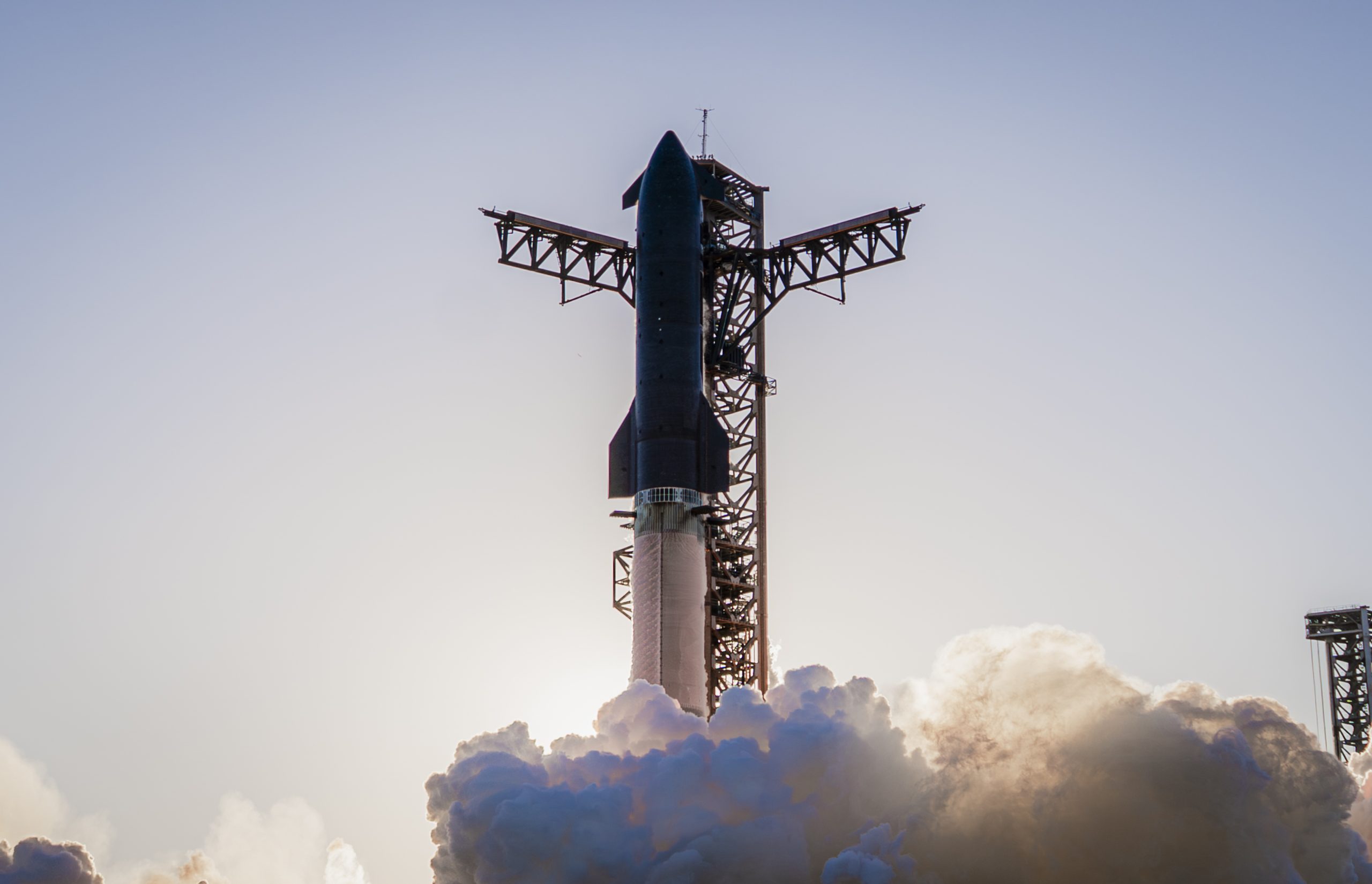
SpaceX has revealed that it has completed 49 major milestones for NASA’s Human Landing System (HLS) program, marking significant progress in the development of the Starship lunar lander that will deliver astronauts to the Moon.
The updates were detailed in SpaceX’s new blog post To the Moon and Beyond, which was recently posted on the private space company’s official website.
As noted by SpaceX, the 49 milestones that were completed by its HLS team were “tied to developing the subsystems, infrastructure, and operations” needed to safely land humans back into the lunar surface. SpaceX noted that it has only received funding on contractual milestones that have been successfully completed, the vast majority of which have been achieved on time or ahead of schedule.
Following are highlights of SpaceX’s completed milestones, as per the company’s post.
For the first time in our existence, we possess the means, technology, and, for the moment, the will to establish a permanent human presence beyond Earth. Starship is designed to make this future a reality → https://t.co/dGAZiB4rr3 pic.twitter.com/WsTg44G3oz — SpaceX (@SpaceX) October 30, 2025
- Lunar environmental control and life support and thermal control system demonstrations, using a full-scale cabin module inhabited by multiple people to test the capability to inject oxygen and nitrogen into the cabin environment and accurately manage air distribution and sanitation, along with humidity and thermal control. The test series also measured the acoustic environments inside the cabin
- Docking adapter qualification of the docking system that will link Starship and Orion in space, an androgynous SpaceX docking system capable of serving as the active system or passive system and based on the flight-proven Dragon 2 active docking system
- Landing leg drop test of a full-scale article at flight energies onto simulated lunar regolith to verify system performance and to study foot-to-regolith interaction
- Raptor lunar landing throttle test demonstrating a representative thrust profile that would allow Starship to land on the lunar surface
- Micrometeoroid and orbital debris testing of shielding, insulation, and window panels, analyzing different material stackups that will be used to protect Starship from impact hazards and harsh thermal conditions
- Landing software, sensor, and radar demonstrations testing navigation and sensing hardware and software that will be used by Starship to locate and safely descend to a precise landing site on the Moon
- Software architecture review to define the schematic of major vehicle control processes, what physical computers they will run on, and software functions for critical systems like fault detection, caution and warning alerts, and command and telemetry control
- Raptor cold start demonstrations using both sea-level and vacuum-optimized Raptor engines that are pre-chilled prior to startup to simulate the thermal conditions experienced after an extended time in space
- Integrated lunar mission operations plan review, covering how SpaceX and NASA will conduct integrated operations, develop flight rules and crew procedures, and the high-level mission operation plan
- Depot power module demonstration, testing prototype electrical power generation and distribution systems planned to be used on the propellant depot variant of Starship
- Ground segment and radio frequency (RF) communications demonstration, testing the capability to send and receive RF communications between a flight-equivalent ground station and a flight-equivalent vehicle RF system
- Elevator and airlock demonstration, which was conducted in concert with Axiom to utilize flight-representative pressurized EVA suits, to practice full operation of the crew elevator which will be used to transfer crew and cargo between Starship and the lunar surface
- Medical system demonstration covering the crew medical system on Starship and the telemedicine capability between the ground and crew
- Hardware in the loop testbed activation for the propellant transfer flight test which uses a testbed with flight representative hardware to run simulations for the upcoming propellant transfer flight test
Ultimately, SpaceX’s message is clear. With its plans for a simplified architecture, the timeframe of the first crewed lunar landing of the current century could happen sooner than expected.
Musk definitely seems determined to prove skeptics wrong, with the CEO declaring on X that Starship will be the vehicle that would pave the way for the buildout of a base on the Moon. “Starship will build Moonbase Alpha,” Musk wrote.


News
SpaceX readies Starship Flight 14 for a historic journey into uncharted territory
SpaceX finished Starship’s Flight 14 rehearsal, clearing the way for its first orbital flight Monday.

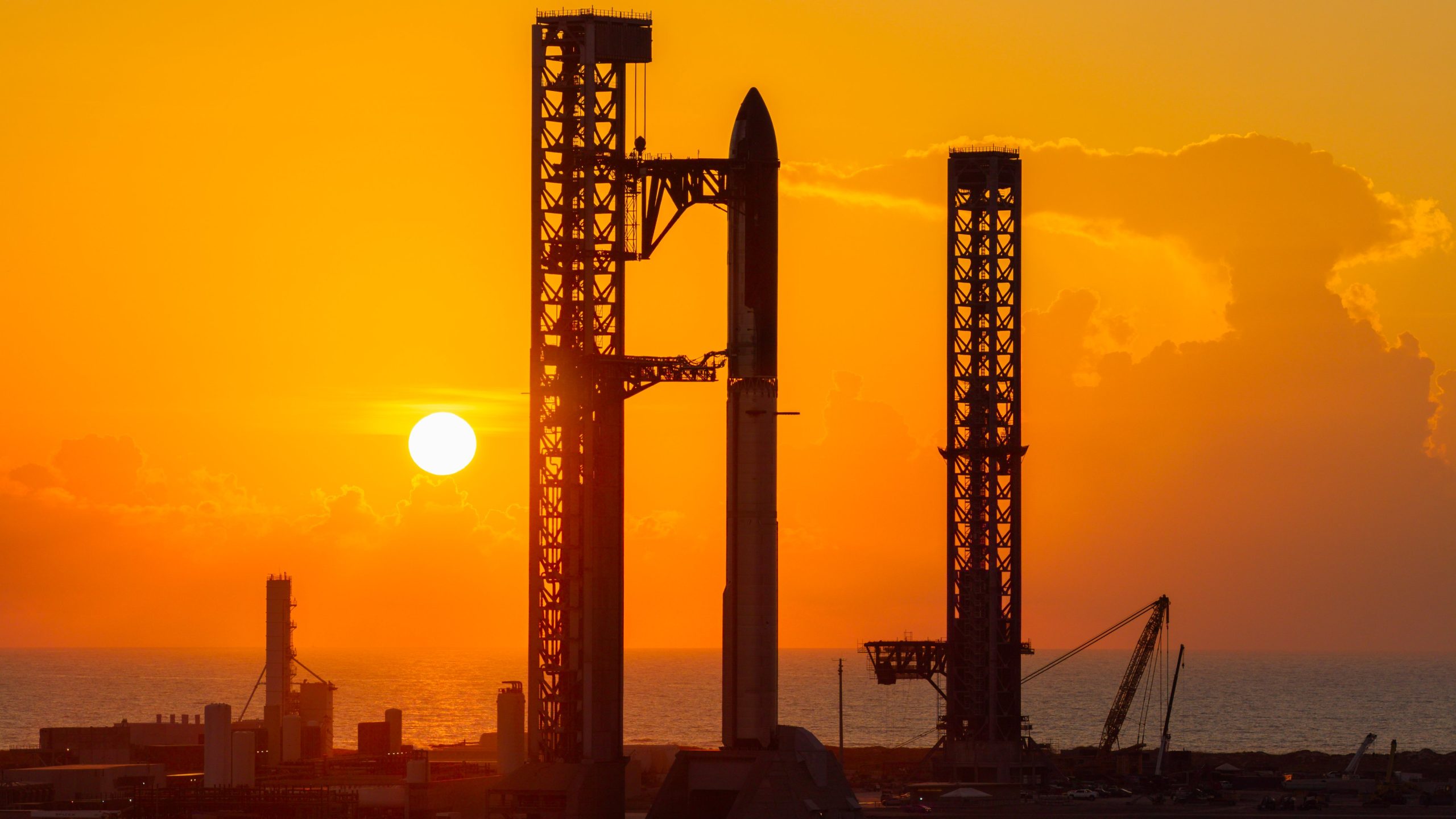
SpaceX has cleared one of the last hurdles before Starship’s first trip to orbit. The company posted on X Thursday afternoon that its launch rehearsal for Flight 14 was complete, keeping the mission on track for Monday, September 28. The launch window opens at 7:15 a.m. CT at Starbase, Texas, and runs for 75 minutes.
A wet dress rehearsal is essentially launch day without the launch. Crews fill Booster 21 and Ship 41 with thousands of tons of extremely cold propellant, run the countdown nearly to ignition, then drain everything back out. It lets engineers catch leaks or equipment problems before anything leaves the pad. SpaceX still needs a launch license from the FAA before the stack, which stands 407 feet tall, can fly.
Flight 14 matters because of where it is going. All 13 previous Starship flights followed a suborbital path, which works like throwing a ball extremely high and far: the vehicle reaches space, but it is always on a course that brings it back down within about an hour. This time, Ship 41 will perform a short engine firing called an orbital insertion burn roughly 25 minutes after liftoff, giving it enough speed to keep falling around Earth instead of back into it. SpaceX plans about six laps at an altitude near 275 kilometers (171 miles) over nearly 10 hours, as Teslarati detailed when the mission was first announced.
Launch rehearsal complete ahead of Starship Flight 14 pic.twitter.com/h5LBYyBqi4
— SpaceX (@SpaceX) September 24, 2026
Getting into orbit also means Starship has to prove it can get back out. The ship must relight a single Raptor engine in space to slow down for reentry. SpaceX says it will only attempt the orbital insertion burn after flight controllers confirm the hardware needed for that return burn has enough backup, and its flight plan includes health checks that could shorten the mission to two or five orbits.
Flight 14 is also the first to put working satellites into service. Flight 13 carried 20 Starlink V3 satellites in July, but they came back down with the ship because that mission never reached orbit. This time, 26 V3 satellites are meant to stay up and join the constellation within a few weeks. Together they add about 26 terabits per second of network capacity, which SpaceX says is roughly 10 times what a single Falcon 9 launch of older V2 Mini satellites adds. Three of them carry cameras that will photograph Starship’s heat shield in orbit to check for tile damage before reentry.
The hardware has changed too. Ship 41 flies with extra fasteners on tiles in the most vulnerable areas, fixes for gaps where superheated plasma slipped behind tiles, and curved tiles designed to reduce heating between them. Two tiles recovered from Ship 40 will fly again, the first reuse of any part of a Starship heat shield. Booster 21 carries better engine filtering and new relight software after ice clogged three center engines on the previous booster, leaving only eight of 13 engines to restart for its landing burn.
Ship 41 is targeting a splashdown in the Pacific Ocean west of Chile, a new recovery zone after several Indian Ocean landings, while Booster 21 aims for the Gulf. Neither will be caught by the tower on this flight. Elon Musk said in August that a ship catch was likely “in a few months.”
Elon Musk
Google just picked SpaceX for its first step into orbital AI
Google will launch its first Project Suncatcher AI satellite on SpaceX’s Transporter-18 rideshare next week.
Google is about to put its own AI chips into orbit for the first time, and it is paying SpaceX to get them there.
The company said Thursday that the first in-orbit test of Project Suncatcher, its research effort to find out whether space can host large-scale AI computing, will fly next week on SpaceX’s Transporter-18 rideshare mission.
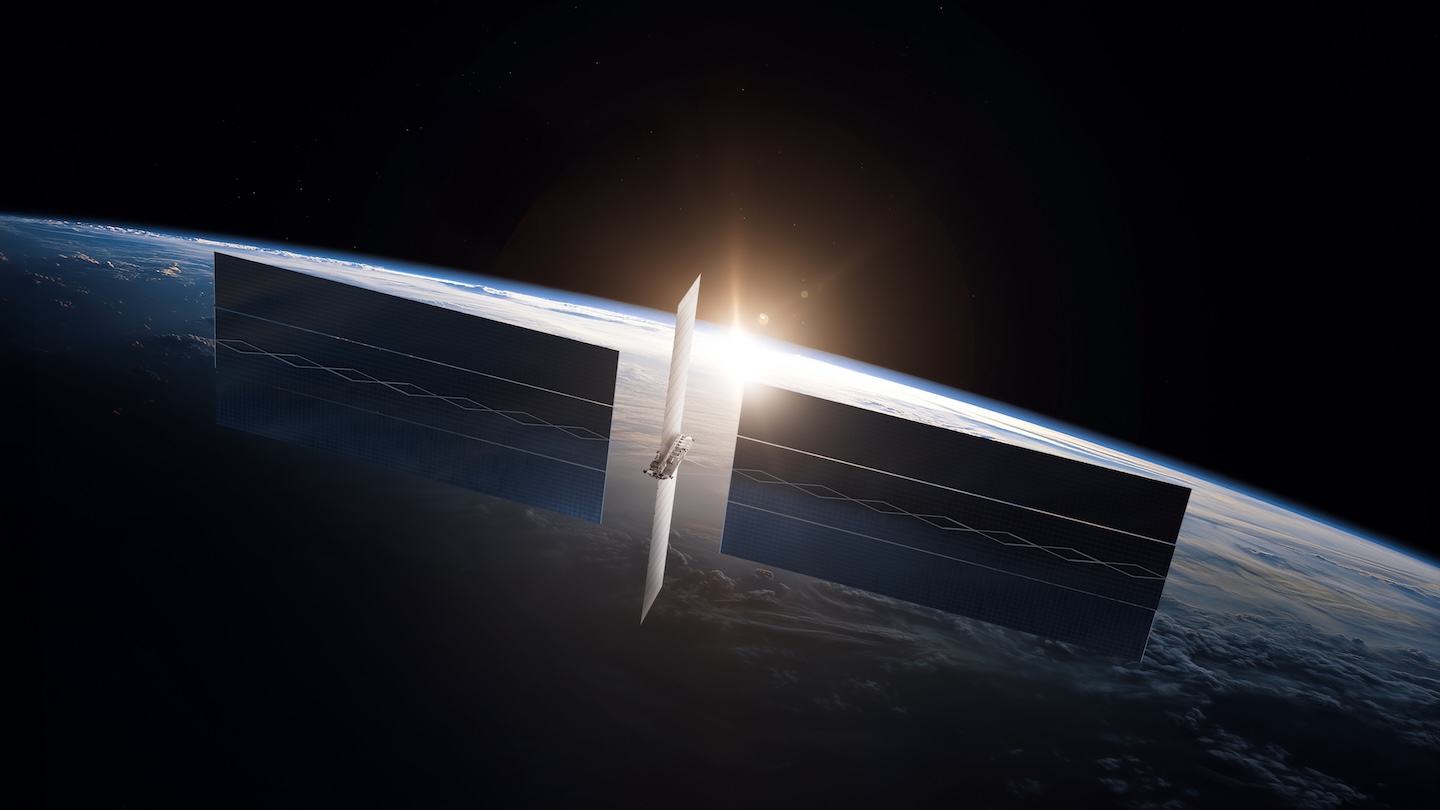
The satellite, called MVP, is about the size of a refrigerator and carries four of Google’s Tensor Processing Units, the same chips Google runs in its ground data centers. Google originally planned to launch two custom satellites in 2027, but chose to move faster by integrating its chips into a satellite.
MVP’s solar panels supply about one kilowatt of power, and Google will run Gemini models on the TPUs only in bursts of roughly 15 minutes before the chips shut down so the radiators can shed heat. In a blog post, Google said its Trillium TPUs survived vibration testing that mimicked sustained launch loads of up to 10g, with individual components seeing 50 to 100g, and handled a radiation dose greater than a five year mission would deliver.
SpaceX and Google mull massive partnership on Musk’s orbital data dream: report
Next week’s flight, slated for October 1, follows a relationship that became public in May, when Teslarati reported that Google was in talks with SpaceX for a launch deal tied to orbital data centers. Google also holds a stake of roughly 6% in SpaceX.
The two companies are chasing the same idea from very different starting points. SpaceX’s own orbital compute program is built around the AI1 satellite, a roughly 70 meter structure derived from Starlink V3 hardware that is designed for 150 kW of peak compute, about 150 times the power MVP will draw. Elon Musk has brushed off concerns about crowding orbit with those satellites, and SpaceX is building its Gigasat factory in Bastrop, Texas, to produce them, targeting an annualized rate of about 1 GW of space compute by the end of 2027.
Musk also posted on X on Thursday that “the amount of compute in space will obviously round up to 100% of all compute.”
Google has been more cautious in public. Its research estimates that launch prices need to fall below about $200 per kilogram before an orbital data center can compete with a ground facility on energy cost, a threshold the company believes could be reached around the mid 2030s. The Suncatcher team has said it expects the effort to remain a project rather than a product for years, which leaves the first real test of its hardware riding on a rocket from the company with the most aggressive timeline in the field.
News
NASA taps SpaceX for more astronaut missions as Boeing Starliner remains grounded
NASA just gave SpaceX a $946 million contract for three more astronaut missions through 2030.
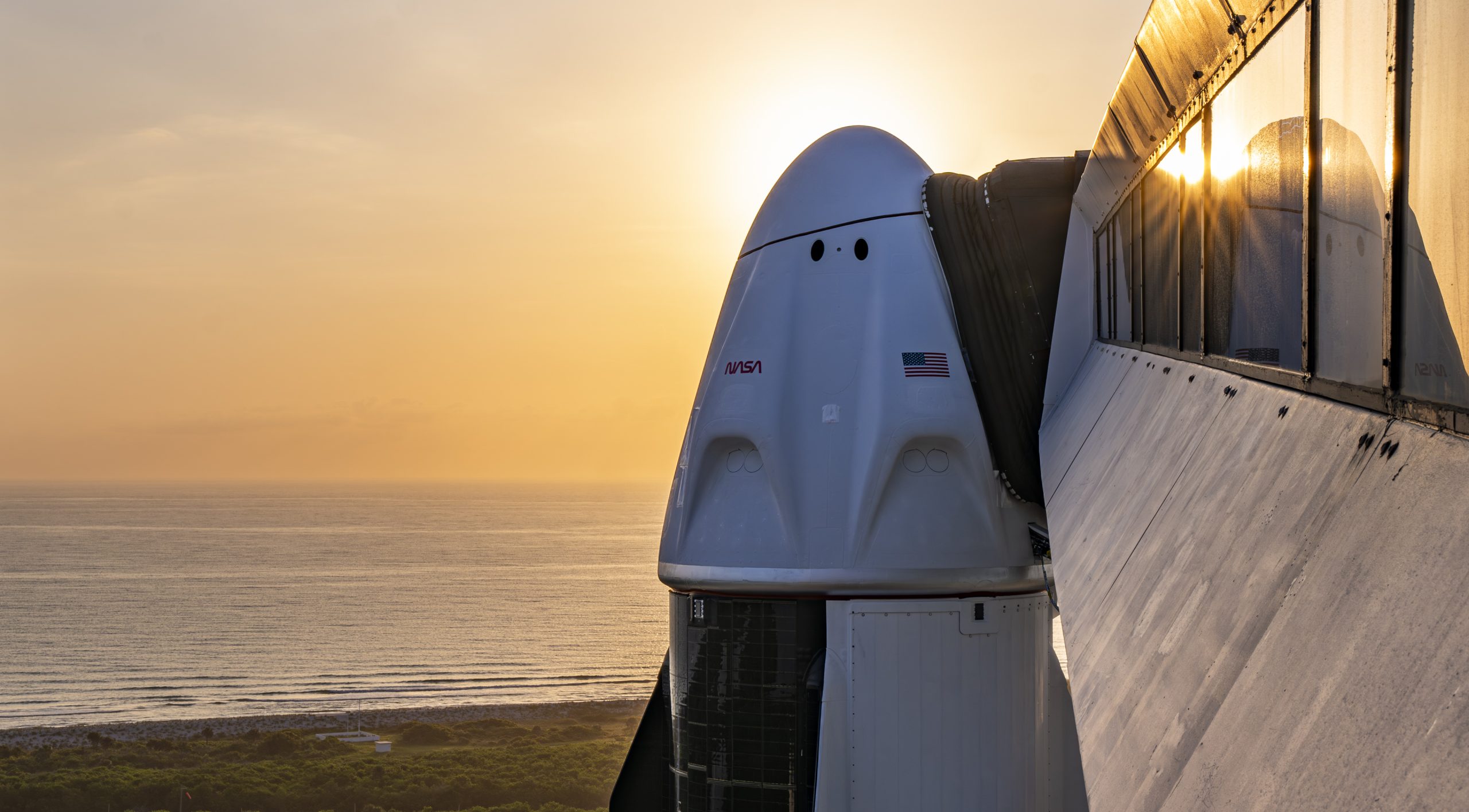
NASA has awarded SpaceX a $946 million contract modification covering three more astronaut missions to the International Space Station, according to an announcement the agency published Friday. The award adds Crew-15, Crew-16, and Crew-17 to SpaceX’s existing Commercial Crew Transportation Capability contract, bringing the agreement’s total value to $5.92 billion across 17 flights.
SpaceX confirmed the award on X, writing that it was excited for Falcon 9 and Dragon to launch NASA’s Crew-15, 16, and 17 missions to the Space Station from Florida. The new missions cover ground, launch, in orbit, and return operations, along with cargo transport and a lifeboat capability while docked at the station, and the period of performance runs through 2030.
We’re excited for Falcon 9 and Dragon to launch @NASA’s Crew-15, 16, and 17 missions to the @Space_Station from Florida https://t.co/Qm16vVK9F3 pic.twitter.com/drg3s7GtuM
— SpaceX (@SpaceX) September 18, 2026
The award follows a notice of intent NASA issued in May, when the agency first signaled it would purchase up to six additional post certification missions from SpaceX. Teslarati covered that filing at the time, noting NASA cited technical issues and schedule delays encountered by Boeing as a driving factor. Friday’s contract modification locks in three of those six missions, with the remaining three left open for NASA to award later, potentially to Boeing if Starliner clears certification.
Boeing’s CST-100 Starliner has still not flown an operational crew rotation mission for NASA. The spacecraft’s most recent crewed test flight in 2024 ended without the astronauts returning aboard Starliner, and the company has spent the time since working through thruster problems. SpaceX President Gwynne Shotwell said this week that SpaceX is not retiring Crew Dragon today, for sure, while stopping short of committing to fly it past 2030.
Crew-12 is currently docked at the space station, and NASA has said Crew-13 is targeting a launch in the coming weeks. The newly awarded Crew-15 through Crew-17 missions extend SpaceX’s role as NASA’s primary way of getting astronauts to and from orbit well into the back half of the decade, regardless of what happens with Starliner or Starship in the meantime.

SpaceX readies Starship Flight 14 for a historic journey into uncharted territory

Google just picked SpaceX for its first step into orbital AI


