News
Neuralink Set to Implant Brain Chip in First-Ever Feline Trial Following FDA Approval

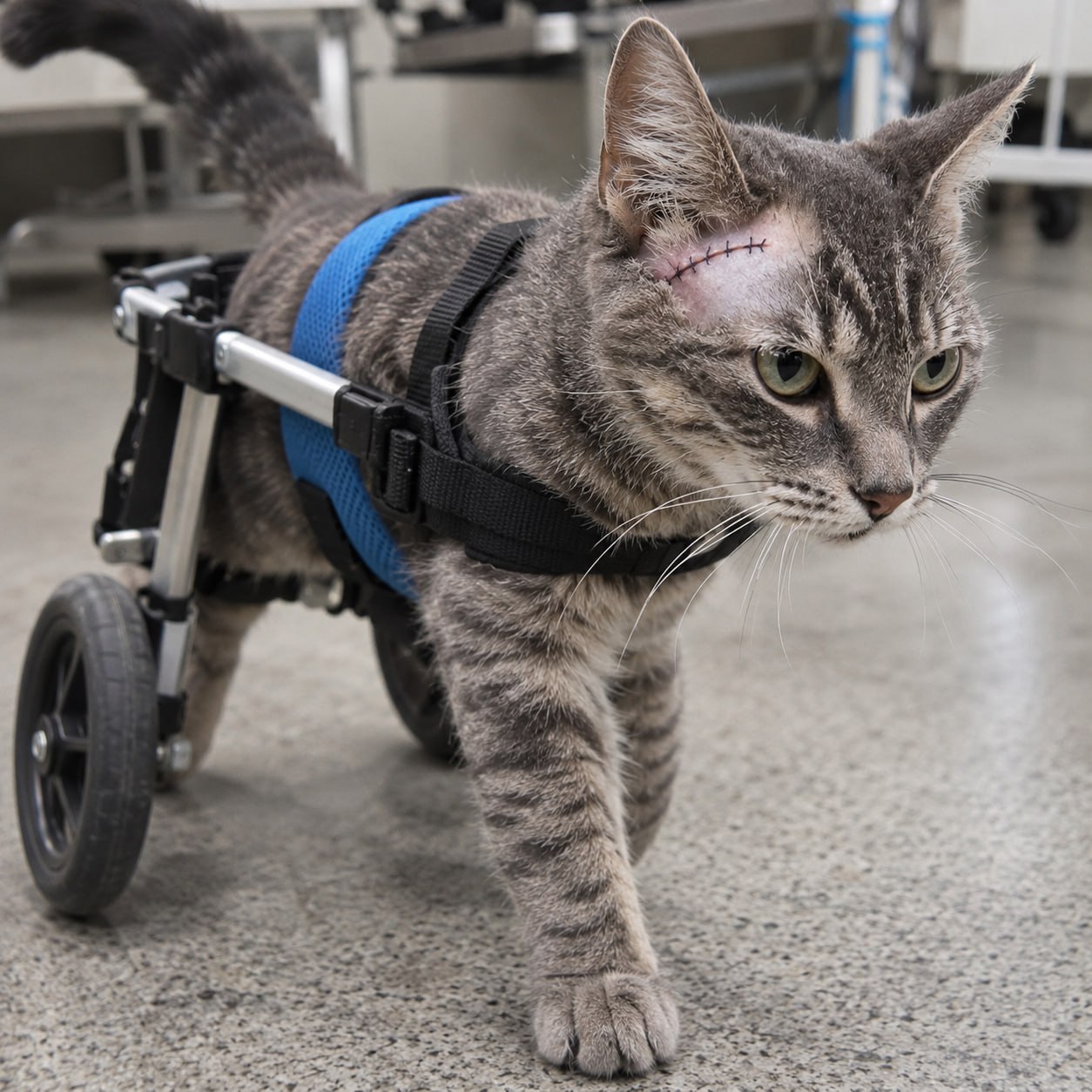
Neuralink is preparing to enter a new chapter in brain-computer interface research following FDA authorization that requires the company to demonstrate the success of its technology in a feline subject before advancing to the next phase of clinical trials.
The biotechnology company has selected Nala, a three-year-old silver British Shorthair, to become the first cat in history to receive a Neuralink brain implant.
Nala suffers from partial paralysis in her hind legs resulting from a spinal cord injury sustained at a young age. Although she remains otherwise healthy, responsive, and alert, the injury has severely limited her ability to walk, run, and jump without assistance.
Researchers believe Nala's condition presents a unique opportunity to investigate whether Neuralink's technology, combined with spinal stimulation, can restore communication between the brain and parts of the body affected by neurological damage.
Restoring Nala's Ability to Walk
The experimental procedure will involve implanting Neuralink's N1 device into the region of Nala's brain responsible for voluntary movement using the company's R1 robotic surgical system.
The implant will monitor and interpret neural signals generated when Nala attempts to move her hind legs. These signals will then be transmitted to an experimental stimulation system designed to bypass damaged neural pathways and activate the appropriate muscles.
The ultimate goal is to allow Nala to regain independent mobility without relying on external physical assistance.
Unlike conventional treatments that focus primarily on rehabilitation and managing symptoms, the experimental system aims to restore functional communication between the brain and affected limbs.
A Major Milestone for Neuralink
Under the FDA authorization described in this scenario, Neuralink must demonstrate measurable improvements in Nala's mobility, alongside evidence of long-term implant safety, before receiving clearance to expand this particular treatment program.
Following the implantation, Nala will remain under the supervision of veterinary specialists, neuroscientists, and rehabilitation professionals. Researchers will closely monitor her neurological activity, muscle response, coordination, behavior, and overall quality of life.
The initial recovery period will be followed by a structured rehabilitation program, during which researchers will evaluate whether Nala can gradually regain the ability to stand, walk, and eventually move independently.
Potential Implications for Humans and Animals
A successful outcome could have significant implications beyond veterinary medicine. Millions of people worldwide live with mobility impairments caused by spinal cord injuries, neurological disorders, and other conditions that disrupt communication between the brain and body.
The research could also open the door to future treatments for animals suffering from similar disabilities, potentially offering alternatives to traditional mobility aids and lifelong supportive care.
While restoring full mobility remains an experimental objective rather than a guaranteed outcome, Nala's participation could provide valuable insight into the next generation of neurological treatments.
For Neuralink, the trial represents an ambitious scientific milestone.
For Nala, it represents something much simpler: the possibility of walking, running, and jumping again.
Media Contact
Neuralink Communications
media@neuralink.com
www.neuralink.com


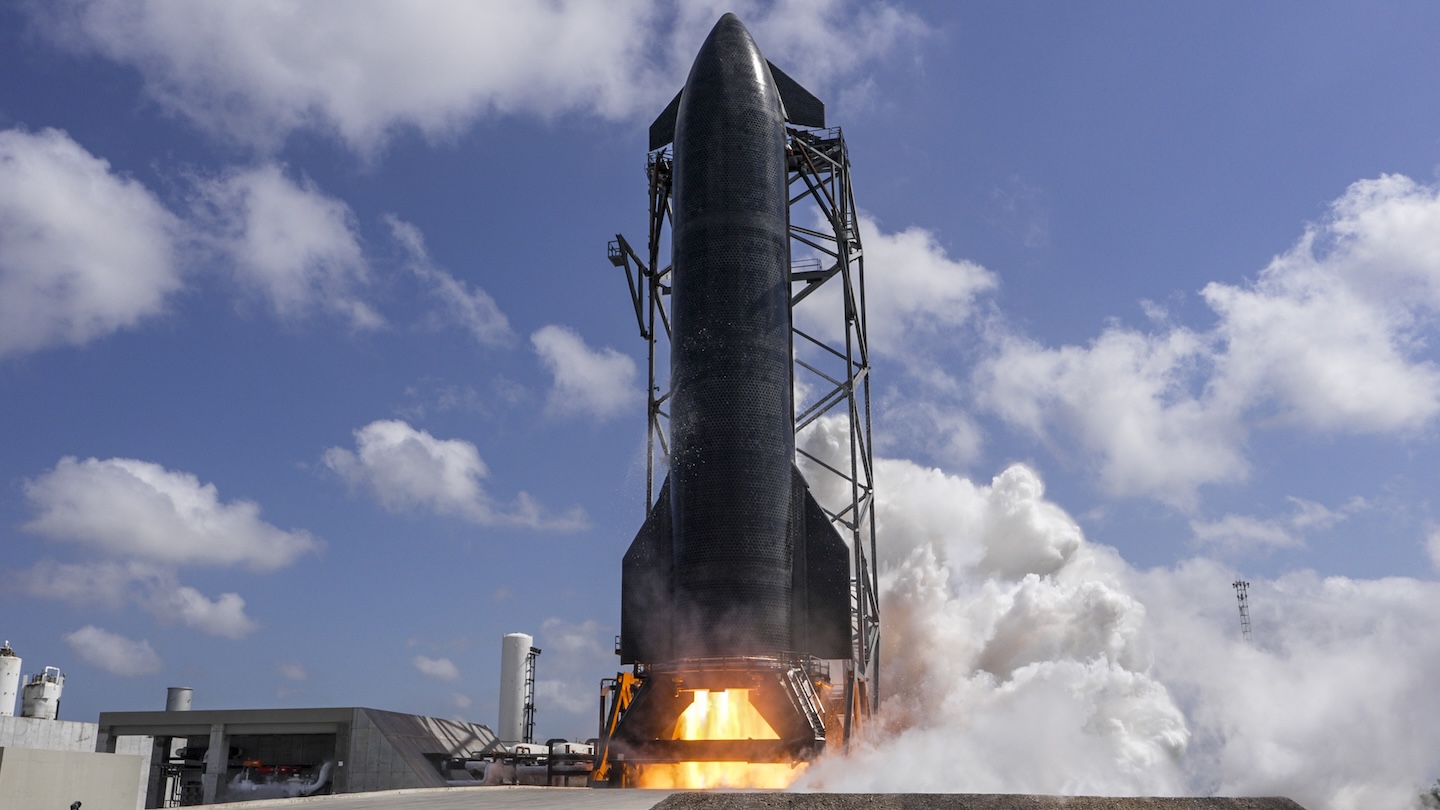
SpaceX CEO Elon Musk announced today that the company will likely attempt to catch the Starship upper stage with its launch tower arms “in a few months.”
In a post on X, Musk wrote, “Looks like we will probably catch the ship with the tower in a few months. If there had been a tower out to sea where we practiced landing the ship, it would have been caught.” He added that the first reflight of a Starship vehicle is expected by the end of 2026 or early 2027, describing it as “a fork in the road of history for consciousness reaching the stars.”
Looks like we will probably catch the ship with the tower in a few months. If there had been a tower out to sea where we practiced landing the ship, it would have been caught.
First reflight of the ship will be either end of this year or early next. That will be a fork in the… https://t.co/O5g9pqrzyo
— Elon Musk (@elonmusk) August 20, 2026
Musk’s prediction comes amid ongoing progress toward full reusability of the Starship system, a two-stage rocket designed for rapid turnaround and dramatically lower launch costs. Catching the upper stage, known simply as “ship,” with the Mechazilla tower’s mechanical arms would mark a major milestone. It would allow both stages to return directly to the launch site for quick refurbishment and reuse, eliminating the need for ocean recovery.
Musk has previously signaled plans for a ship catch. In July, shortly after SpaceX’s wildly successful Starship 13 mission, he stated that the company would attempt to catch the ship with the tower on the next flight unless problems emerged in the mission data review. Earlier comments also outline conditions such as successful soft ocean landings before attempting a land recovery to minimize risk.
SpaceX has solved Starship’s biggest challenge, Elon Musk says
The latest update from Musk adjusts this timeline to a few months, reflecting the iterative nature of the test campaign.
SpaceX has already demonstrated the tower catch technique successfully with the Super Heavy booster on a couple of occasions. The first successful booster catch occurred during Flight 5 in October 2024, when the massive first stage returned to the Starbase pad in Texas and was plucked from the air by the tower arms.
Additional catches followed on later flights, including Flight 7, proving the concept for the booster and building confidence in the system as a whole.
Achieving a similar catch for the upper stage would represent a significant step forward. The ship returns from much higher speeds and greater heat loads after orbital or near-orbital flight. Success would advance SpaceX’s goal of full and rapid reusability, potentially reducing the cost of access to orbit by a factor of 100 or more and supporting ambitions for frequent satellite deployments, lunar missions, and eventual Mars flights.
Musk has long emphasized that true reusability, refueling rather than discarding hardware, is essential for making humanity a multi-planetary species.
As SpaceX continues refining Starship through successive test flights, the coming months will test whether the ambitious catch timeline can be met. The combination of prior booster successes and improving ship landing precision suggests the company is steadily closing in on this historic capability.

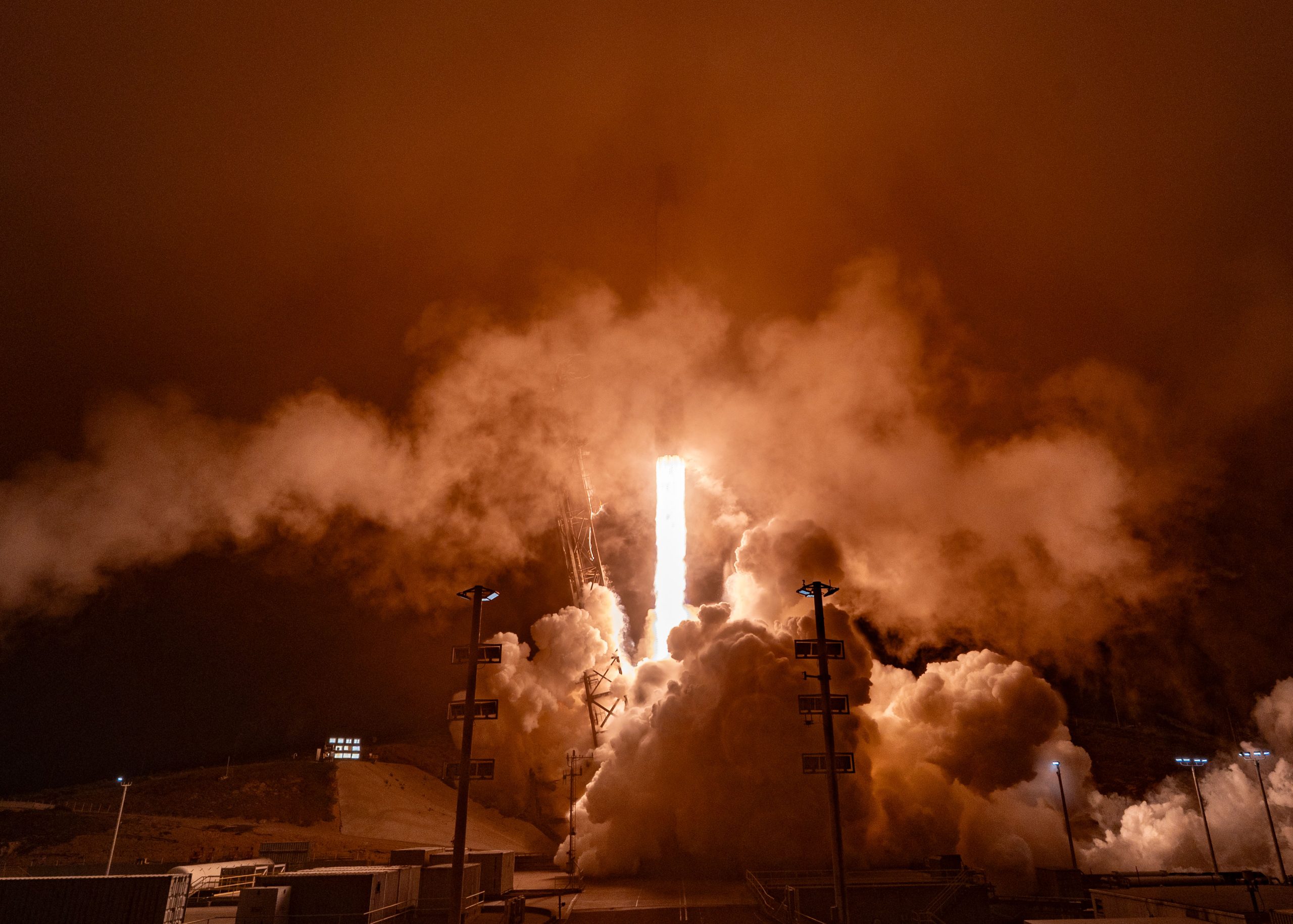
SpaceX has achieved an incredible milestone by launching its 11,000th Starlink satellite into orbit.
This accomplishment occurred during the Starlink Group 17-50 mission, which lifted off on August 19 at 04:01 UTC from Space Launch Complex 4 East at Vandenberg Space Force Base in California.
Falcon 9 launches 24 @Starlink satellites from California pic.twitter.com/UscpmAxDls
— SpaceX (@SpaceX) August 19, 2026
A Falcon 9 rocket carried 24 Starlink V2 Mini satellites on this flight, successfully deploying them into low Earth orbit approximately one hour after liftoff. The first stage booster, identified as B1097 on its twelfth flight, landed successfully on the droneship Of Course I Still Love You in the Pacific Ocean.
According to tracking data compiled around that date, this deployment brought the total number of Starlink satellites in orbit to just over 11,000.
The Starlink program began with test satellites known as Tintin A and B, launched on February 22, 2018. The first operational batch of 60 Starlink satellites followed on May 24, 2019, when a Falcon 9 rocket lifted off from Cape Canaveral. Those initial satellites marked the start of a rapid expansion that has continued for more than seven years.
SpaceX has conducted hundreds of dedicated Starlink missions since then, routinely launching batches of 20 to 30 satellites at a time using reusable Falcon 9 rockets. By mid-2026, the company had already surpassed 12,000 total satellites launched across all versions, with continuous replacements for units that deorbit as designed to manage space debris.
Looking ahead, SpaceX continues to expand the Starlink constellation to enhance global broadband coverage, capacity, and speed. The network already serves millions of users across more than 160 countries and supports applications ranging from residential internet to maritime, aviation, and emergency services.
Future plans center on next-generation hardware, including larger V3 satellites capable of delivering substantially higher throughput, which require the increased payload capacity of the Starship vehicle currently under development and testing.
In July, SpaceX submitted an application to the Federal Communications Commission seeking authority for a Gen3 constellation of up to 100,000 satellites. These spacecraft would operate in very low Earth orbit shells at altitudes near 325 kilometers and 475 kilometers. The filing requests use of existing Ku, Ka, V, and E band spectrum along with new greenfield W and D band frequencies between 92 and 275 GHz.
SpaceX states that the expanded system aims to deliver multi-gigabit symmetrical broadband to consumers, enterprises, governments, and billions of AI-powered devices worldwide while handling a majority of global internet traffic. Approval and subsequent deployment would depend on regulatory review and the operational readiness of Starship for high-volume launches.
This ambitious scale reflects SpaceX’s ongoing commitment to providing ubiquitous high-speed connectivity from space.

Neuralink Set to Implant Brain Chip in First-Ever Feline Trial Following FDA Approval

Elon Musk gives a timeline for SpaceX’s first Starship catch attempt


